13 years ago today, Nipsey Hussle priced physical copies of “Crenshaw” at $100, while making the mixtape available to download for free. Within 24 hours, the first 1,000 CDs reportedly sold out. The campaign grew from a simple idea: listeners who had supported him for years might pay enough to help fund his next release without a major label.
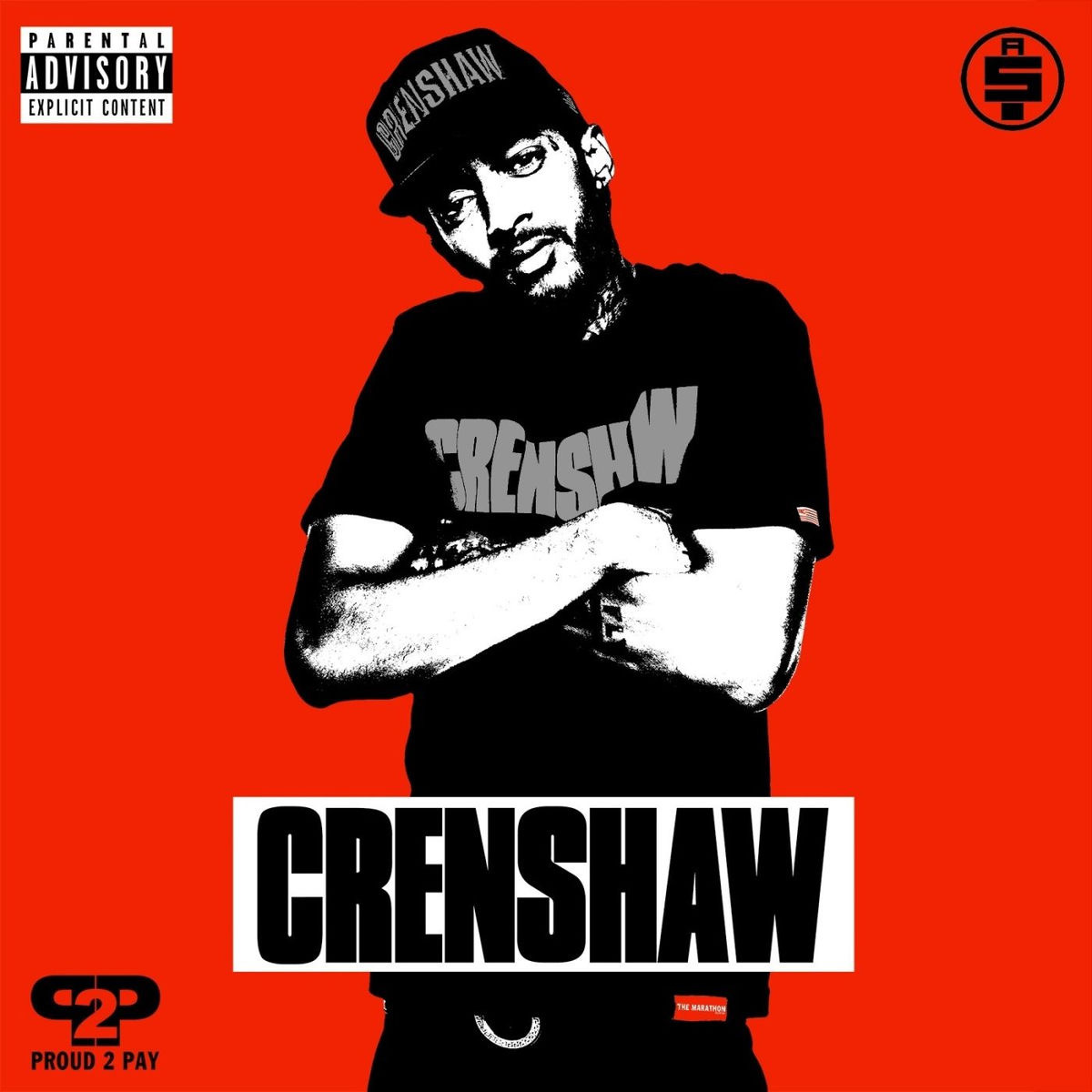
Click here to listen to the mixtape.
We spoke with marketing strategist Karen Civil, who has worked with everyone from Lil Wayne to Clipse and helped amplify the campaign behind Nipsey Hussle’s “Crenshaw.” Its $100 price tag made it a cultural landmark and inspired other artists to approach their releases as works of art.
Karen also shared archival photos she took during the “Crenshaw” era, which you can see throughout the article.
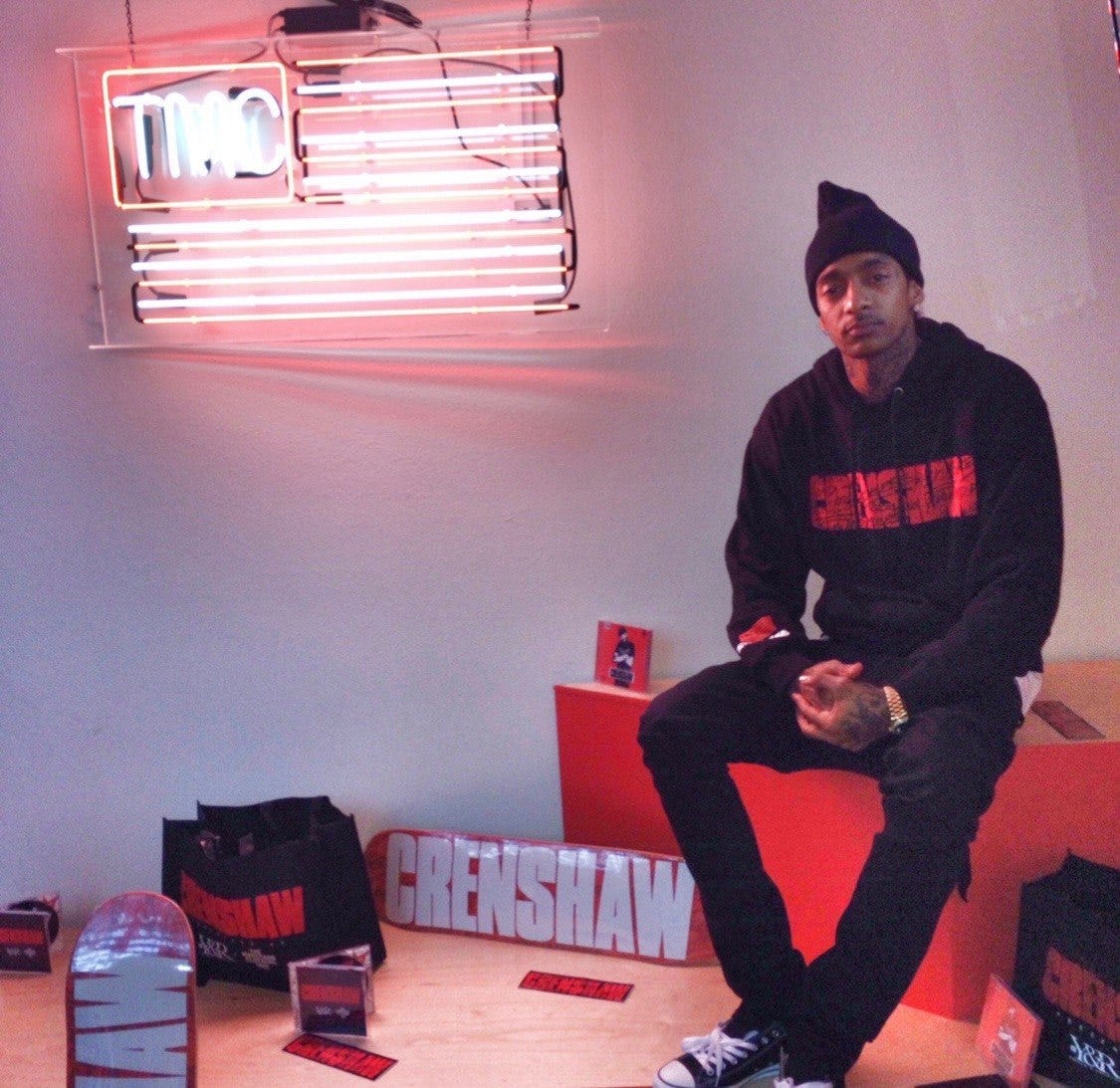
The “Crenshaw” package included a numbered, autographed CD and admission to a future show. The $100 price had an unlikely source. A mentor recommended Jonah Berger’s “Contagious,” which described a Philadelphia restaurant’s $100 cheesesteak. The restaurant faced ridicule but attracted prominent customers, and Nipsey decided to try the same price for “Crenshaw.”
Could you tell us more about your role in developing Proud2Pay and how you chose the $100 price?
Honestly, Proud2Pay was something Nipsey already had in mind. He had been having conversations with Ryan Leslie, who created SuperPhone, about connecting directly with his audience. Nipsey was a visionary who would come to his team with ideas and a clear sense of what he wanted to accomplish. Our role was to help amplify that vision through storytelling, media and the right relationships.
The $100 price came from him. He had read Jonah Berger’s book Contagious, which included the story of a $100 cheesesteak at Barclay Prime in Philadelphia. That example stayed with him and helped shape his thinking around the campaign.
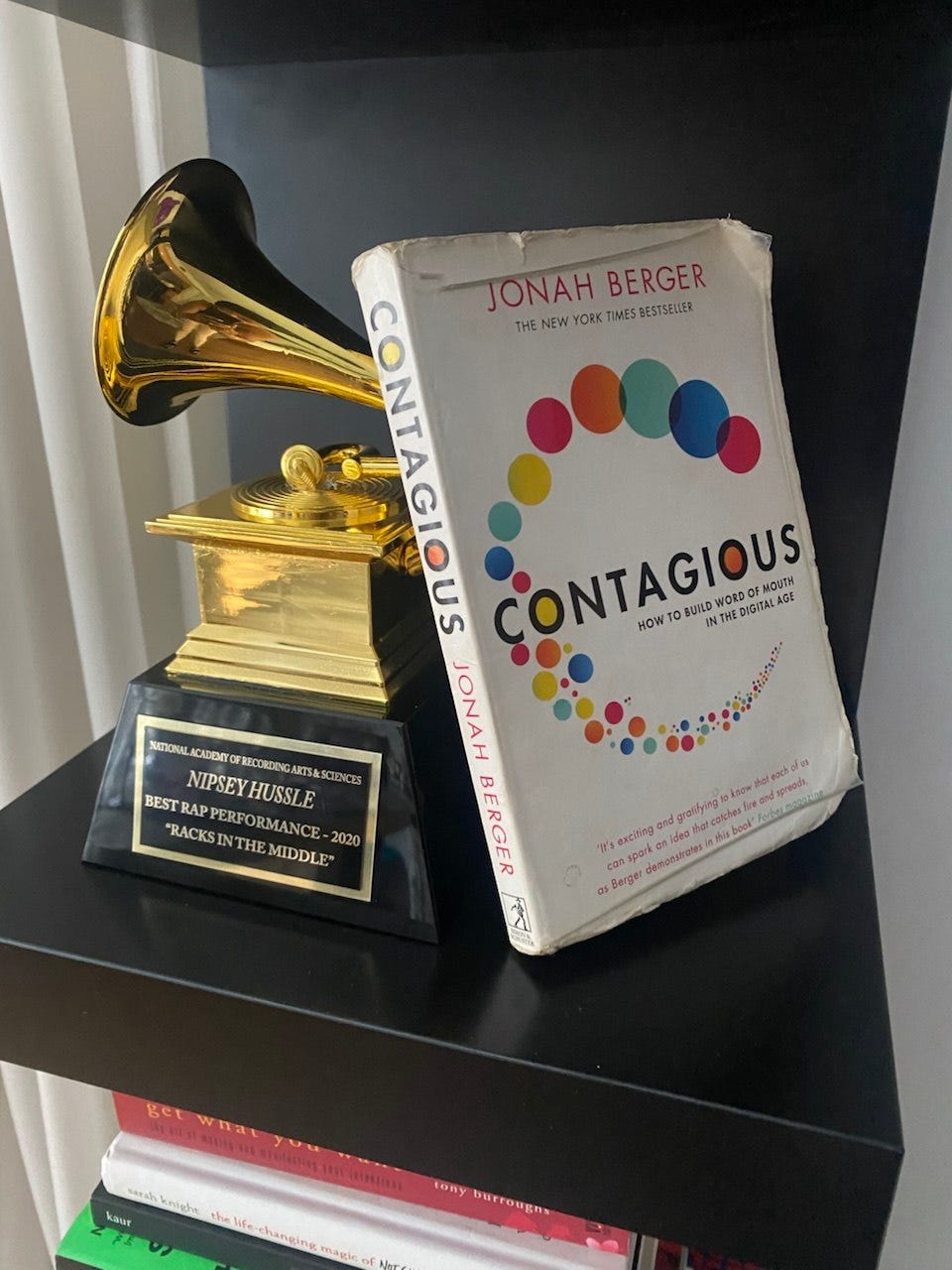
He understood that people had other ways to hear the music, including downloading it for free. Purchasing the $100 copy was a choice, and that was the entire premise of Proud2Pay. If you were proud to support him at that level, this was the opportunity.
Did you and Nipsey disagree on anything before the campaign launched?
Yes, and I’m going to be honest about that. When he told me the price, I suggested starting at $50. He asked why I wanted to cut it. The way he explained it, lowering the price reflected the value I was placing on him and the project, which made me think.
I had to examine my own conditioning around Black products and this idea that what we create needs to be less expensive for people to accept it. Why was I placing that limitation on his work before giving people the opportunity to support it?
That was the first and last time I questioned his marketing instincts in that way. He changed how I thought about value, and that lesson stayed with me well beyond the campaign.
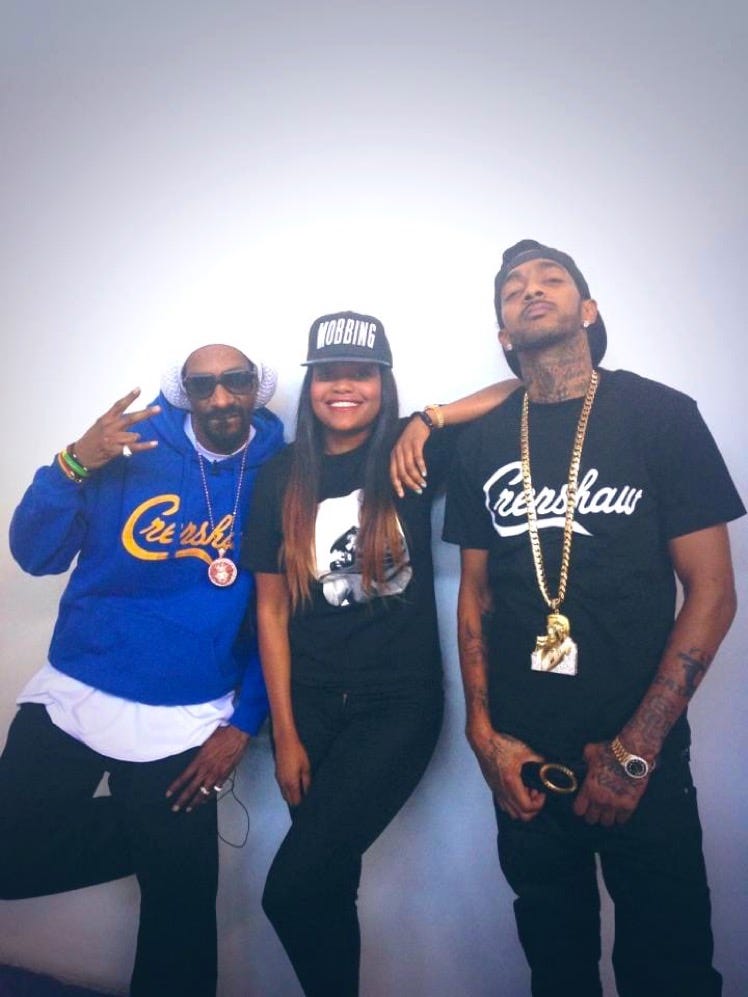
Nipsey told XXL that the team saw publicity as the minimum return from the experiment, even if sales fell short. They committed to the $100 price without expecting the first run to sell out.
Were you confident the $100 CDs would sell out, or did you have doubts?
My suggestion to start at $50 tells you there was some hesitation about the price. I’m not going to rewrite that now because we know how successful it became. But once Nipsey explained his thinking, the campaign made sense to me.
He knew the relationship he had built with his audience and believed in their willingness to support him. That gave the team something clear to stand behind. The focus became communicating his vision and giving people the opportunity to respond, rather than letting our own hesitation limit what was possible.
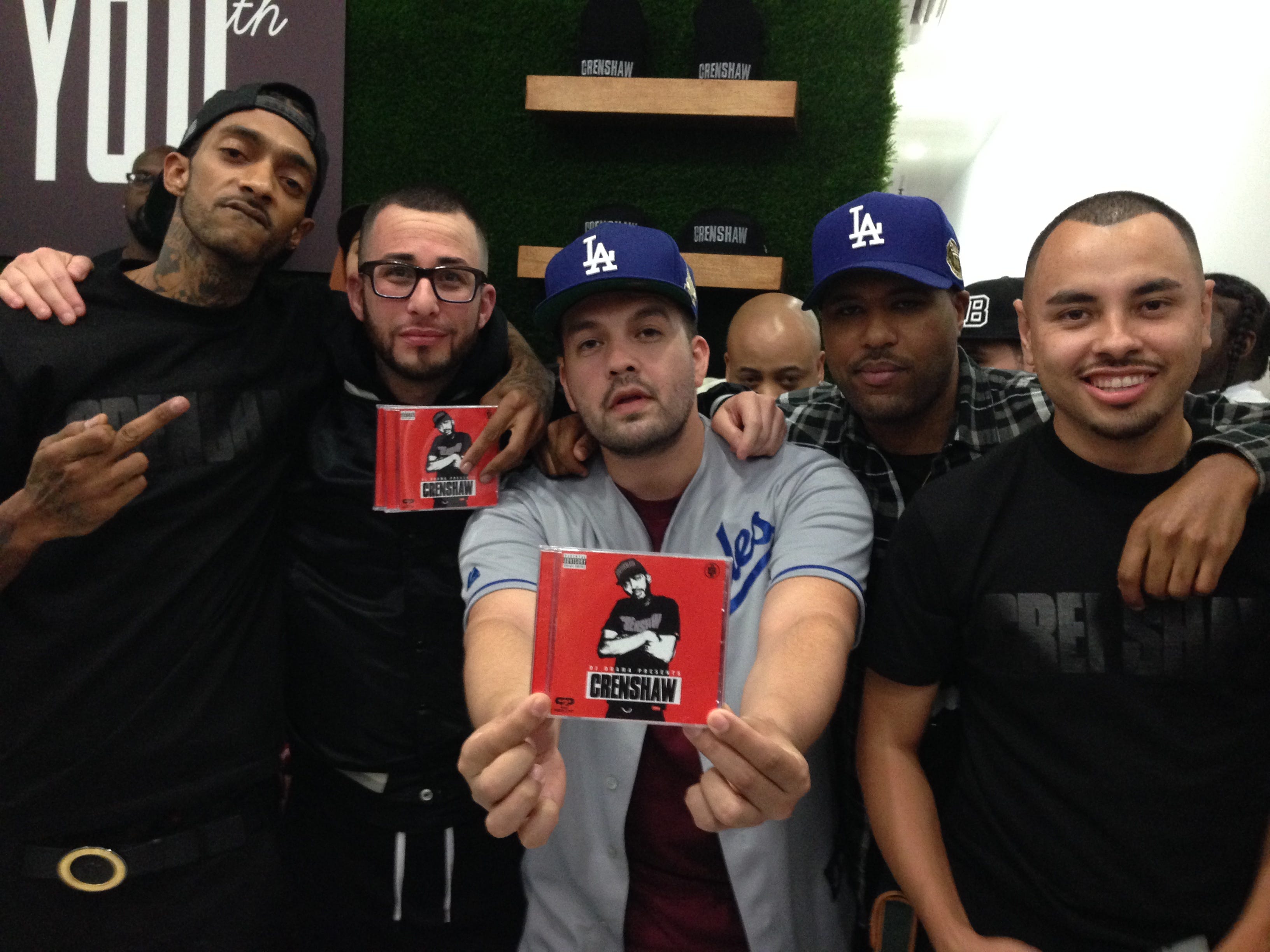
How did you plan the rollout, from the first announcement to the day the CDs went on sale?
Nipsey had a clear vision for Proud2Pay, and the team’s focus was making sure that vision reached people. The $100 price was going to get attention, but it mattered that people understood the thinking behind it and the relationship he had built with his supporters.
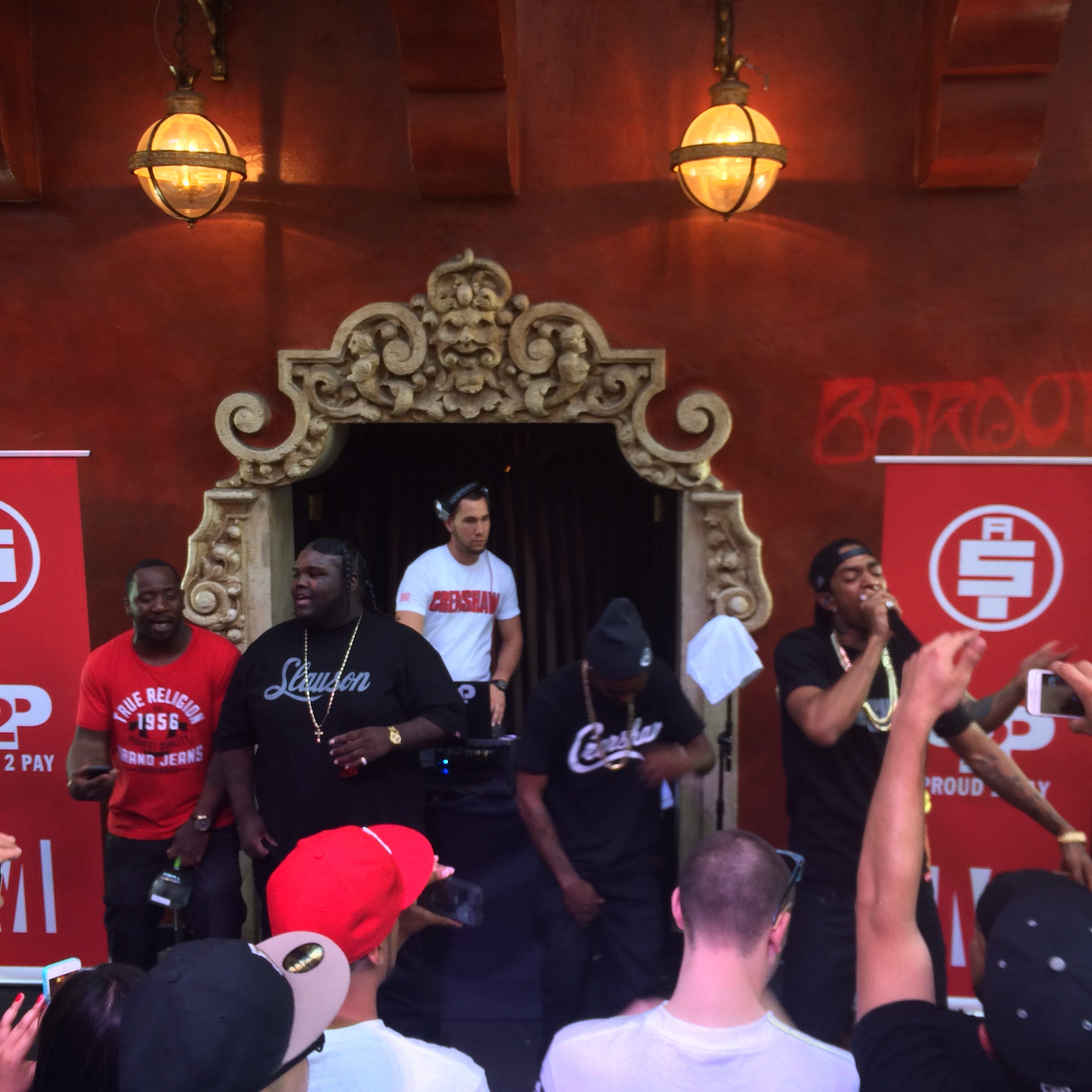
Civil TV helped tell that story by taking people into Crenshaw and showing his connection to the neighborhood. Media relationships helped carry his message further, and as the campaign developed, partnerships gave people more ways to connect with him. We partnered with All Def Digital on the Proud2Pay concert, which I hosted, and bringing those supporters and purchases of the album together was an amazing experience.
During that same period, he appeared in the Beats by Dre colors campaign commercial, introducing him to another audience. Those opportunities supported the momentum around his music and brought him into new spaces and conversations.
The work was connecting the right media and brand relationships to what Nipsey was already building. He remained at the center of it, with a team helping amplify his vision without losing what made people connect with him in the first place.
Sales opened at a pop-up on Fairfax Avenue in Los Angeles, where fans queued to meet Nipsey and buy signed copies. Orders also came through his website. Within 24 hours, he reported $100,000 in sales, and demand prompted All Money In to order another batch of CDs.
Is there a conversation from the final days before the launch that you still remember?
What comes back to me is his energy during that time. It was always “top of the top,” let’s go, let’s get it done. He was focused on moving things forward, and that energy carried into the work.
The conversation about the price is the one that has stayed with me most clearly because it shifted my perspective. Once he explained why he believed in it, the focus became getting the message out and making sure the execution supported his vision.
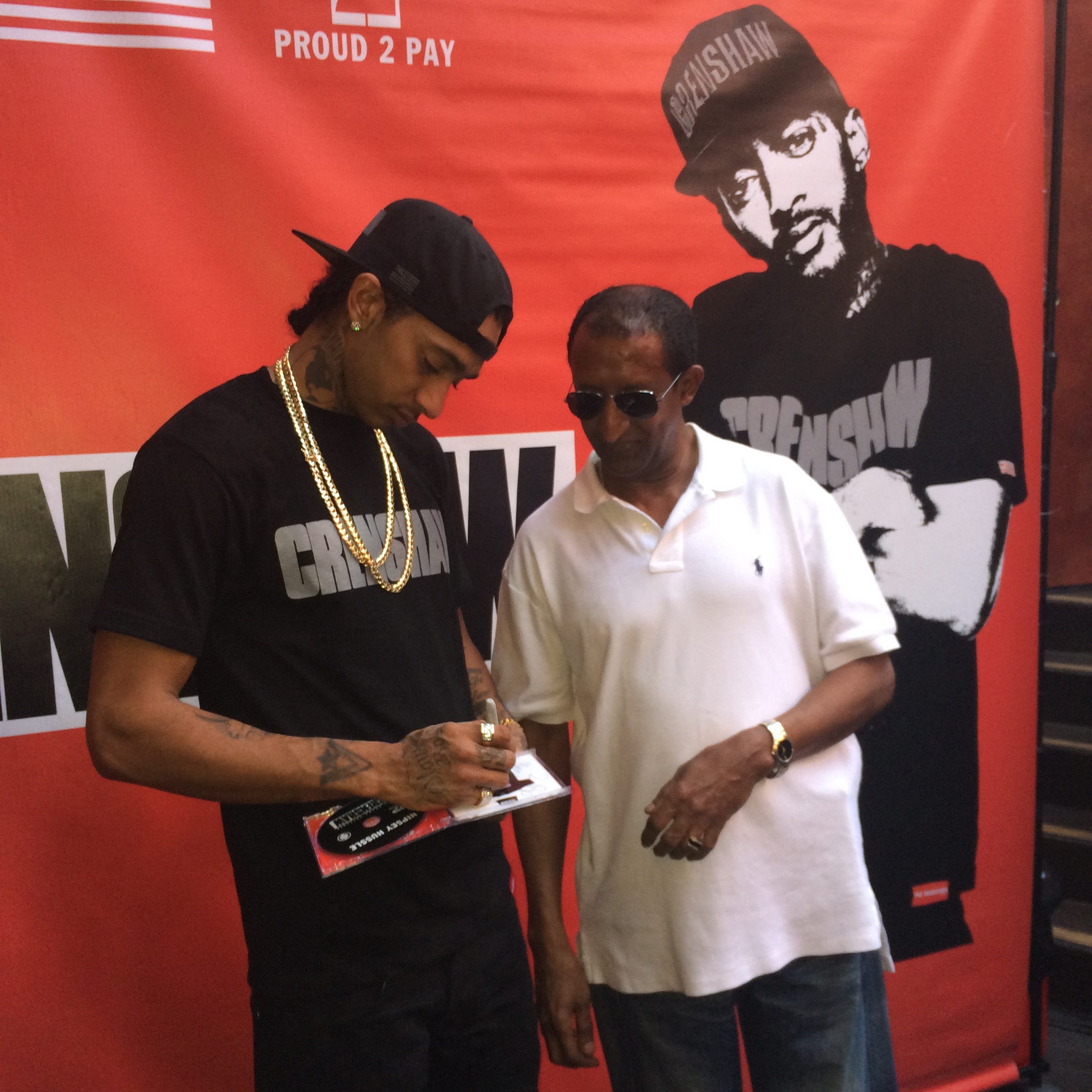
Nipsey’s dad bought a copy and had him sign it.
When did you realize sales had exceeded the team’s expectations, and how did Nipsey react? What do you remember him saying or doing at that moment?
What stands out is seeing people post screenshots of their purchases, show that they had their copies and give him feedback. You could see the support happening in real time, and that’s when the response really started to feel tangible.
I remember how excited he was. He started sharing screenshots of receipts and the support coming in. People were proud to show that they had participated, which was exactly what the campaign was about.
His excitement is what stayed with me more than any particular sentence. He had put this idea out into the world with so much conviction, and people were showing him that they understood it.
Then, one of the most famous moment happened. JAY-Z backed the campaign with a $10,000 order for 100 CDs. Nipsey first heard through a journalist that Jay respected the idea. Then Roc Nation emailed his team to ask where to send the payment and when the CDs could be shipped.
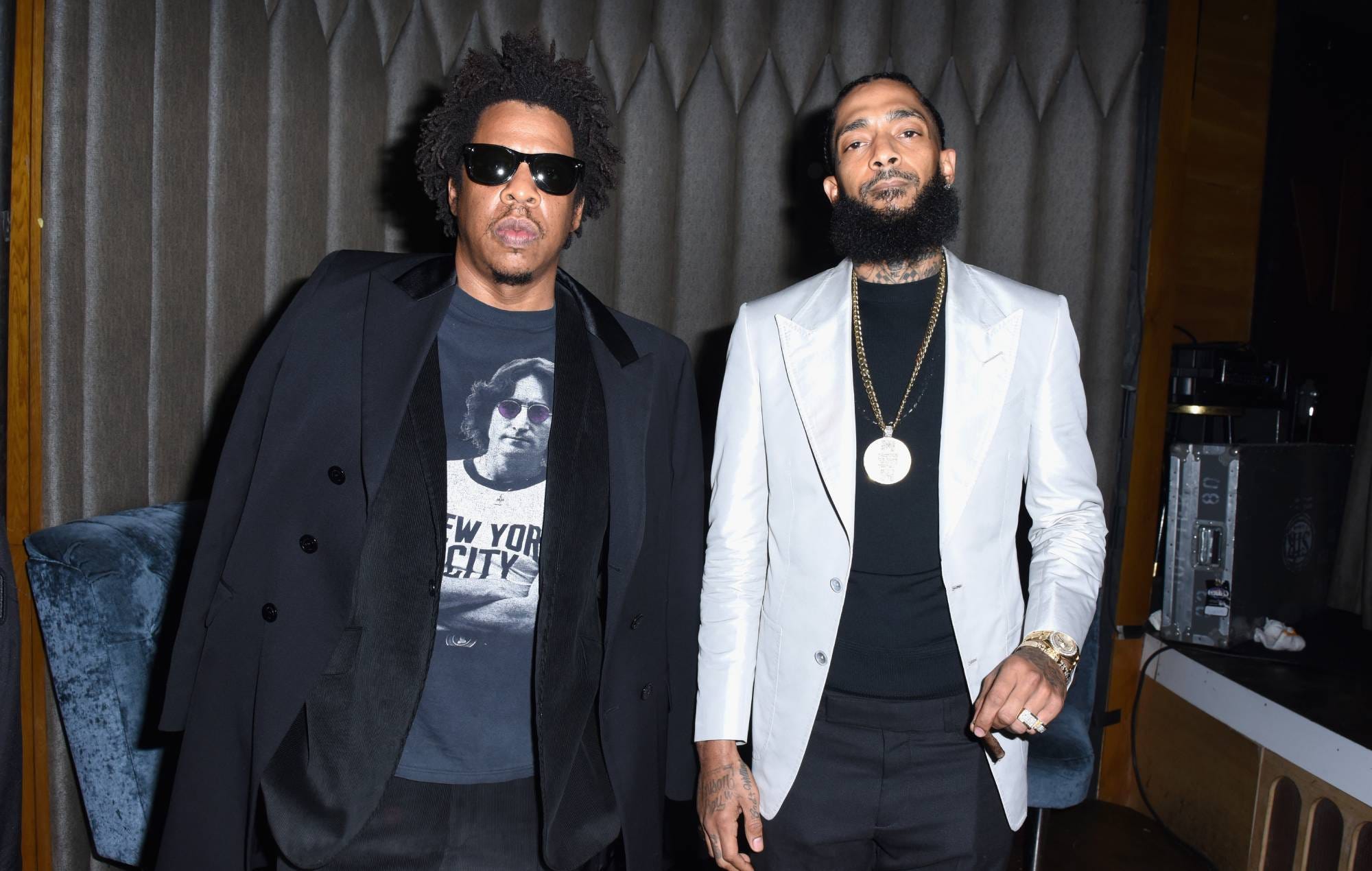
What was your reaction to JAY-Z buying 100 copies?
It was exciting because JAY-Z understood what Nipsey was doing beyond just buying an album. He understood the business, the ownership and the intention behind Nipsey putting that kind of value on his work, so for him to purchase 100 copies felt like a real show of support for the idea.
But what I remember just as much was watching the excitement spread through celebrity culture. Wendy Williams bought a copy and talked about it as a “Hot Topic,” and there were other people who were genuinely excited to say, “I paid $100 for this.” That was important because people weren’t looking for a discount or questioning why it cost what it cost; they were proud to support it at the value Nipsey had set.
Those moments helped the campaign travel beyond the people who already knew Nipsey’s music. It became a conversation about value, ownership and what it looks like when people believe in an artist enough to invest in the vision.
How do you see Proud2Pay’s influence on artists like Westside Gunn, Mach Hommy, Roc Marciano and Joey Bada$$, who have priced their projects higher and presented them as works of art?
Proud2Pay helped expand the conversation around what artists can charge for their work and who gets to determine its value. With the artists you mentioned, the presentation, the collectibility and the relationship with their audience all contribute to what someone is willing to pay.
You can see a parallel with Eminem’s premium vinyl releases, too. Each artist has their own approach, so I wouldn’t say every release came directly from Nipsey, but Proud2Pay gave people a clear example of an audience supporting music at a price outside the usual expectations.
What was also amazing was seeing what grew from that success. It helped lay the foundation for the Marathon Agency, where we could take that same creative thinking and develop campaigns for other artists. YG embraced the Proud2Pay model for his Red Friday mixtape, and the agency went on to work on campaigns and launches for artists including Nicki Minaj and Dave East. People saw what was possible, and that opened the door for us to build on those ideas together.
That’s a testament to what one mixtape can do. It created opportunities that reached beyond Nipsey’s own music. But the foundation was always the connection he had spent years building with his audience. People believed in his work and what he represented, and Proud2Pay gave them a way to express that support. Raising the price alone doesn’t create that relationship.
Some people criticized the project’s high price. What do you think they misunderstood about Proud2Pay?
They misunderstood the choice. The music was available for free, so nobody had to spend $100 to hear it. The physical copy gave people another way to support an artist they believed in.
It also challenged assumptions about who gets to assign value to their work. I can speak to that honestly because my first response was to suggest $50. Nipsey made me examine why I thought his price needed to come down.
People accept that art, clothing and collectibles can have different levels of value. He was asking them to extend that same consideration to his music. The people who were proud to pay understood what they were supporting, and he trusted them to make that choice.